







Search Results for: too little coffee dose
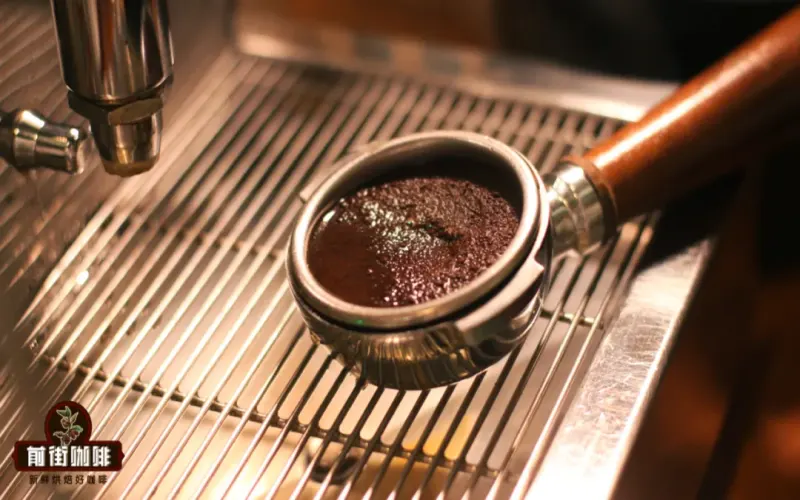
Analysis of the Causes of Watery Puck After Espresso Extraction: How Too Fine Grinding, Too Little Coffee Dose, and Insufficient Pressure Affect the Shot
When pulling espresso, you sometimes remove the portafilter and find a large amount of hot water left in the basket, with the puck wet, even loose and misshapen. This phenomenon not only affects consistency in the cup but also makes it hard to identify the root cause. Starting from the principles of espresso extraction and pressure release, this article systematically breaks down the three common causes of water pooling in the basket: grinding too fine, which impedes the flow of hot water through the coffee bed; using too small a dose, which leaves too much distance between the puck and the shower screen; and insufficient pressure on home machines, which weakens the back-suction effect. It also offers Front Street Coffee's adjustment suggestions to help coffee enthusiasts quickly pinpoint the problem and improve extraction flow rate and puck condition. [more…]
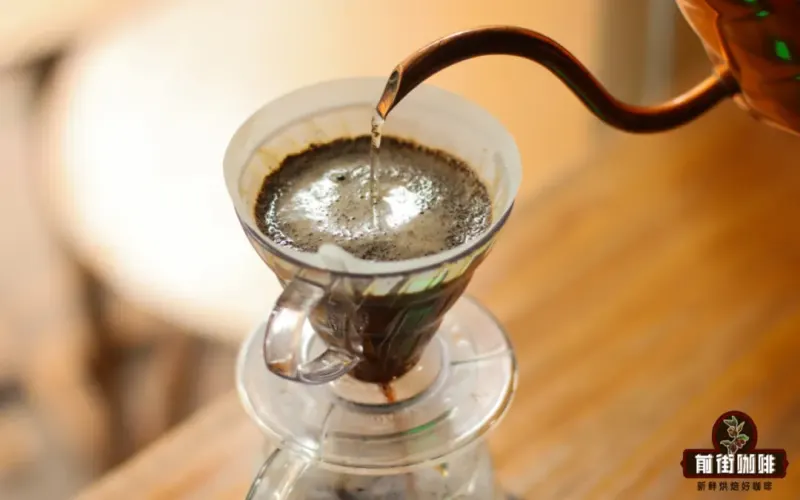
How Does Coffee Dose Affect Flavor in Pour-Over? Differences Between 01 and 02 Drippers and Brewing Techniques for Small Drippers with Large Doses
Many coffee enthusiasts have found during brewing that simply adding a little more coffee grounds causes a noticeable decline in the resulting flavor. The reason behind this often lies in the amount of grounds exceeding the reasonable capacity of the current dripper, while the brewing technique has not been adjusted accordingly. This article will focus on the suitable grounds amounts for the two common dripper models, 01 and 02, analyzing the specific effects of too much or too little coffee on extraction uniformity, flow rate, and the final flavor. At the same time, for scenarios where you only have a small dripper on hand but need to brew a large amount of coffee, it provides a complete solution including coarsening the grind size, slightly adjusting the water temperature, and pouring techniques, and offers practical reference suggestions based on Front Street Coffee's standard parameters. [more…]
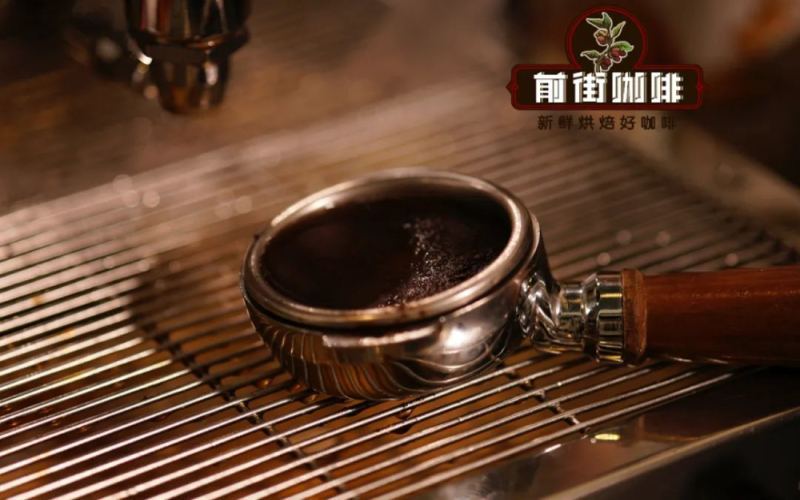
After espresso extraction, water pools in the portafilter basket? Analyzing the relationship between the basket, dispersion screen, and parameter adjustments
Many espresso enthusiasts have encountered this situation: after extraction, you remove the portafilter and find the puck wet and soft, unable to hold its shape, with a pool of water still sitting at the bottom of the basket. This is clearly not an ideal extraction state. Is the problem with the basket or the dispersion screen, or do the extraction parameters need adjustment? This article will analyze the possible causes of water accumulation one by one from the perspectives of grind size, coffee bean freshness, dose matching, group head cleanliness, and machine pressure, and provide corresponding solutions. The article will also share Front Street Coffee's dose control experience from daily dialing-in to help you find the root of the problem and return espresso extraction to a dry, intact puck state. [more…]
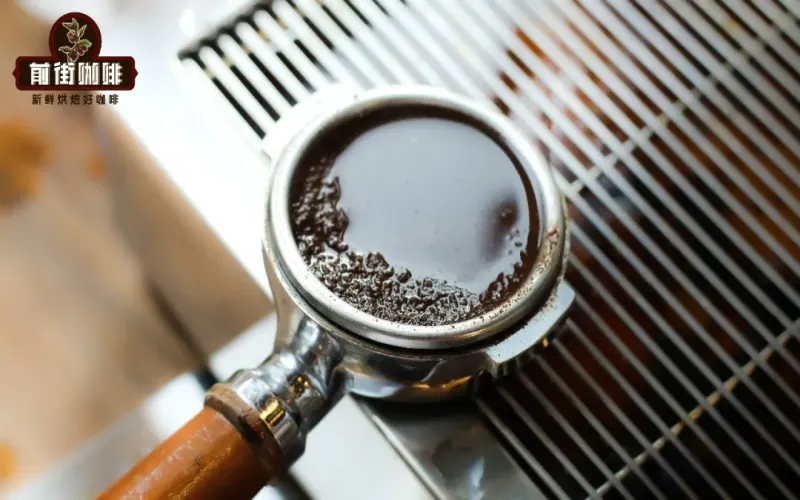
A Complete Analysis of the Causes of Water Pooling in Espresso Portafilters: How Dose, Grind Size, and Machine Condition Affect Puck Formation
After pulling an espresso shot, standing water left in the portafilter basket and a wet, mushy puck that won't hold its shape are problems many coffee enthusiasts run into. This article systematically sorts out several common causes of water pooling in the basket: too small a dose, a grind that is too coarse or too fine, and unstable pressure delivery from the espresso machine. The article points out that standing water is essentially a reflection of the extraction parameters and the machine's condition, and does not necessarily mean the coffee will taste bad; what truly affects flavor is the parameter error itself. Front Street suggests that if the flavor is off, you should first adjust the dose or the grind parameters to correct the coffee's taste, rather than simply fixating on the standing water. [more…]
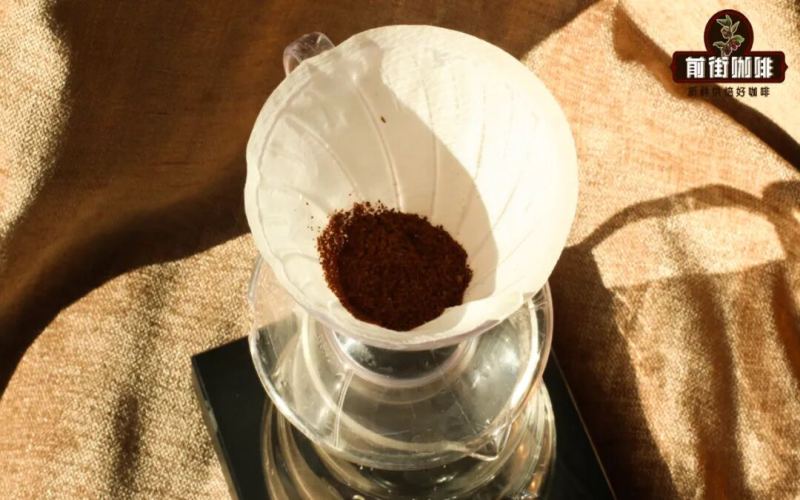
Pour-over coffee brewing method | How many coffee beans are needed to brew a pour-over? What are the difficulties of brewing coffee with a small dose? How to make pour-over coffee using only 5 grams of coffee beans
It might be used for making specialty coffee drinks, or perhaps you just want a light taste of coffee to get a hint of the flavor~ Occasionally, some friends have the idea of "brewing just a small cup of coffee with only a small amount of coffee beans." But if you've actually tried it, Front Street believes it shouldn't be hard to notice: compared to brewing with a large dose of coffee grounds, brewing a good cup with a small dose [more…]
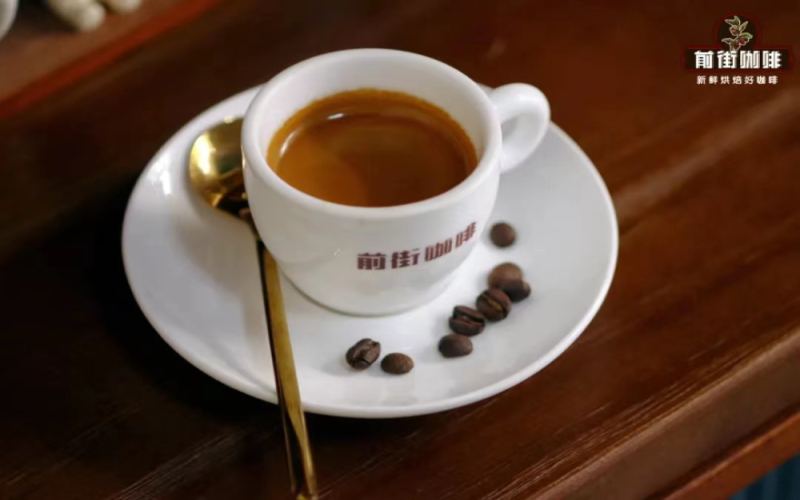
How to Determine the Espresso Coffee Grounds-to-Water Ratio? A Complete Analysis of Four Front Street Coffee Espresso Blends: Flavors and Brewing Methods
Want to make a decent espresso at home? The coffee-to-water ratio is one of the most critical parameters. This article draws on the hands-on experience of Front Street Coffee, first explaining why espresso mostly uses blend beans rather than single-origin beans, then explaining how the dose is limited by the basket capacity, why a 1:2 coffee-to-liquid ratio is regarded as the golden ratio, and how too much or too little coffee grounds affects flow rate and flavor. It then introduces, one by one, the four espresso blend beans currently offered by Front Street—Sunflower Warm Sun, Specialty Blend, Commercial Blend, and Dark Cocoa Blend—including their recipe proportions, flavor descriptions, and target drinkers. Finally, it supplements the ways to taste espresso, helping you understand why it emphasizes mouthfeel, aroma, and finish rather than distinguishing temperature changes like pour-over. [more…]
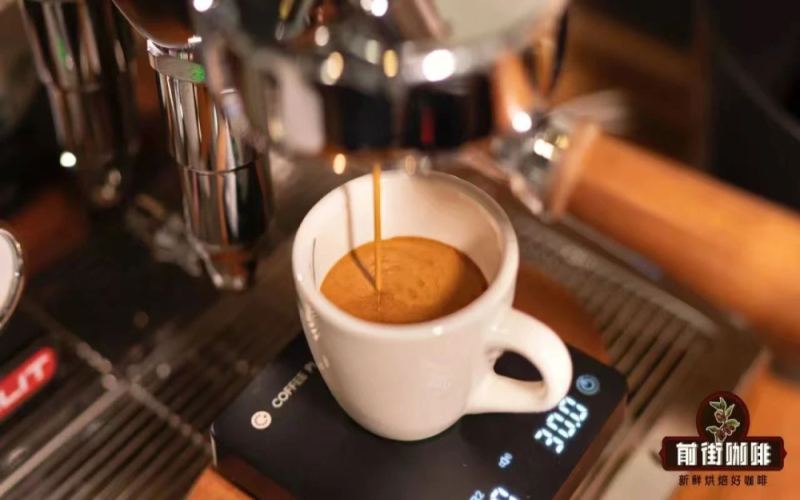
How Many Seconds Should Espresso Extraction Actually Take? An Experimental Analysis of Dose and Grind Parameter Pairings
Extracting a shot of espresso can be done in as little as twenty-odd seconds, but it is precisely this difference of just a few seconds that is enough to push the flavor in the cup in a completely different direction. As one of the core variables in the extraction process, time never exists in isolation—any change to dose, brew ratio, or grind size will affect the final extraction result. This article will start from the reasonable range for extraction time, break down one by one how dose and grind size affect flow rate and flavor, and share Front Street's practical approach to daily dialing in at the shop, along with several espresso blend beans suitable for practice, to help coffee lovers find a stable and delicious espresso recipe more quickly. [more…]
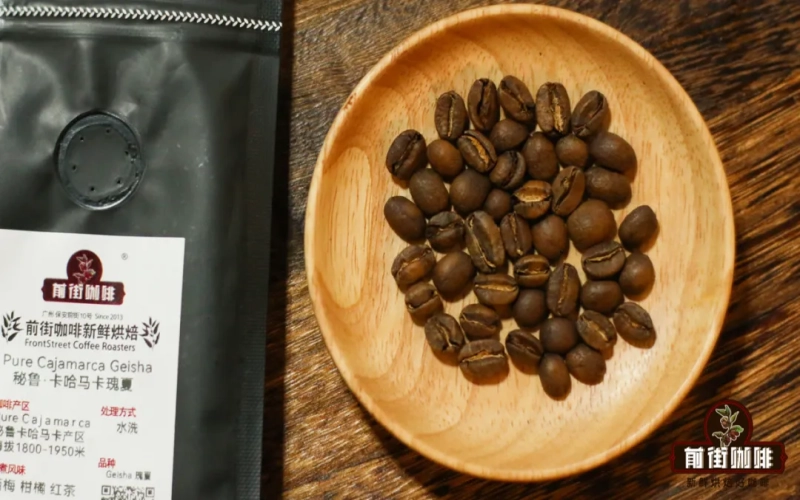
How to Handle Leftover Coffee Beans? Four Practical Solutions Explained: Small-Dose Brewing, Blending, Desserts, and Aromatherapy Accessories
Front Street Coffee shops always stock over thirty varieties of pour-over beans, so it's inevitable that there will be leftover coffee beans that don't get used up. Simply throwing them away is truly a waste, so Front Street Coffee chooses different handling methods based on the amount of remaining grounds: when the amount is around 10g, it can be brewed directly, but the parameters need to be adjusted or a smaller-dose dripper used; if it's less than 6g, it can be topped up by blending with other beans; the coffee beans can also be made into desserts like lemon zest slices, or turned into decorative items such as aromatic bracelets. This article explains in detail the principles and key operational points of each approach, helping you make the most of every single coffee bean. [more…]
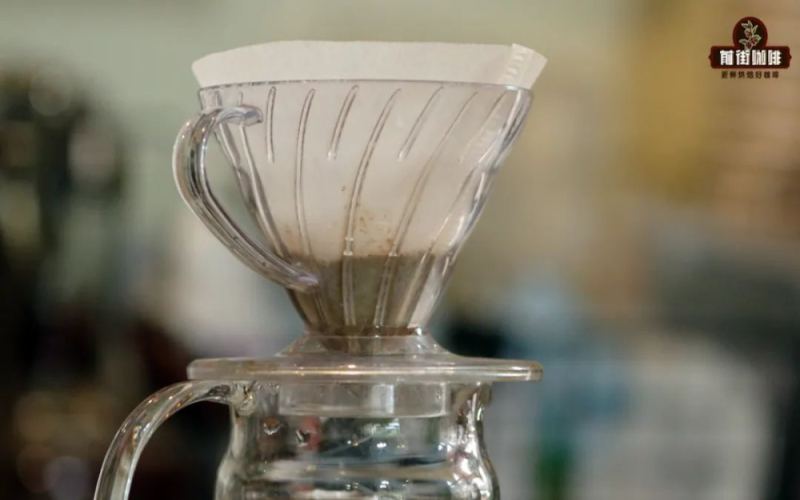
Pour-Over Coffee Small-Dose Brewing Guide: How to Adjust Parameters for 7g of Coffee to Get Great Flavor
In the practice of pour-over coffee, the coffee dose is one of the key variables determining the extraction result. Many coffee enthusiasts run into this problem: at the end of a bag of beans there are always a few grams left, too little for a single cup on its own, yet too wasteful to throw away. Based on Front Street Coffee's hands-on testing experience, this article systematically explores the differences between brewing with a small dose of around 7 grams and a conventional 15-gram dose, analyzes the extraction challenges caused by a thinner coffee bed and faster water flow, and offers two sets of adjustment plans for different levels of water-control skill—one that relies on a finer grind combined with a thin stream and three-pour approach, and another that uses a heavy stream and staged raising of the water level to lower the barrier to execution. Whether you are a complete beginner or a pour-over player with some experience, you can find a small-dose strategy that suits you. [more…]
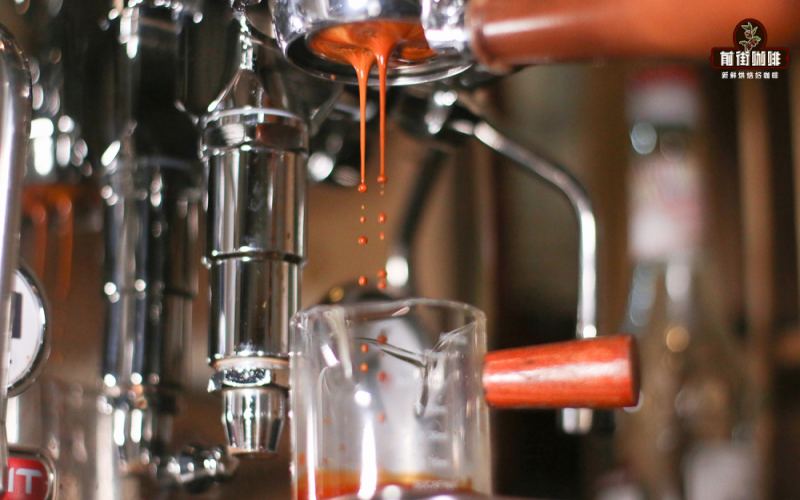
A Comprehensive Analysis of Espresso Extraction: Water-to-Coffee Ratio, Golden Parameters, and Key Operational Points Explained
The extraction of espresso is extremely sensitive to parameters, with dose, brew ratio, time, flow rate, pressure, and temperature all interconnected; the slightest deviation is magnified exponentially in the flavor. This article systematically sorts out the core logic of various espresso extraction parameters, analyzing the matching of basket capacity and dose, the liquid weight ratio range of 1:1.5 to 1:2.5, the extraction window of 20 to 30 seconds, as well as common issues such as grind size and channeling. It also details operational specifics like weighing the dose, distributing the grounds, tamping, and cleaning. At the end, Front Street Coffee recommends a classic espresso blend to help you consistently produce delicious espresso at home. [more…]
A Complete Guide to Espresso Extraction Parameters: From Dose, Ratio, and Time to a Quick Grind Size Calibration Guide
Espresso extraction is far more sensitive than pour-over, and any slight deviation will be magnified exponentially in the flavor. This article systematically breaks down the extraction parameters from six dimensions—dose, brew ratio, extraction time, flow rate, pressure, and temperature—and offers a quick approach to adjusting grind size. In addition, FrontStreet Coffee also provides practical suggestions on operational details such as weighing, distributing, tamping, and cleaning, helping you consistently reproduce a well-balanced espresso in your daily routine. [more…]
Coffee supplies running critically low! How coffee lovers can get the most out of every gram of coffee beans
When coffee stocks run low, coffee lovers start finding every possible way to cherish each gram of coffee beans. From reducing the dose and widening the water-to-coffee ratio, to rinsing and reusing filter paper, even a single coffee bean gets a careful brewing. Drip bags, capsule shells, and cold brew containers have all been given new uses. This article rounds up these both hilarious and ingenious "use every last bit" tricks, while keeping the professional coffee knowledge intact, to show you just how far coffee people will go for one more cup. [more…]

A Complete Guide to Espresso Extraction: Practical Control Methods for Dose, Ratio, Time, and Grind Size
Want to make a balanced espresso at home but keep struggling with unstable flow rate and flavors that swing between sour and bitter? The truth is, there is no one-size-fits-all fixed parameter set for espresso extraction—coffee bean condition, grinder performance, machine pressure, and water temperature can all skew the results. This article approaches the topic from six dimensions—dose, brew ratio, extraction time, flow rate, pressure, and water temperature—and systematically explains how to customize a suitable extraction plan for the blend you have on hand, with specific references based on Front Street Coffee's classic blend and Strawberry Candy Espresso. It also includes methods for measuring espresso concentration and extraction yield to help you use golden cup data as a guide for adjustments, so you can ultimately find the cup you truly enjoy. [more…]
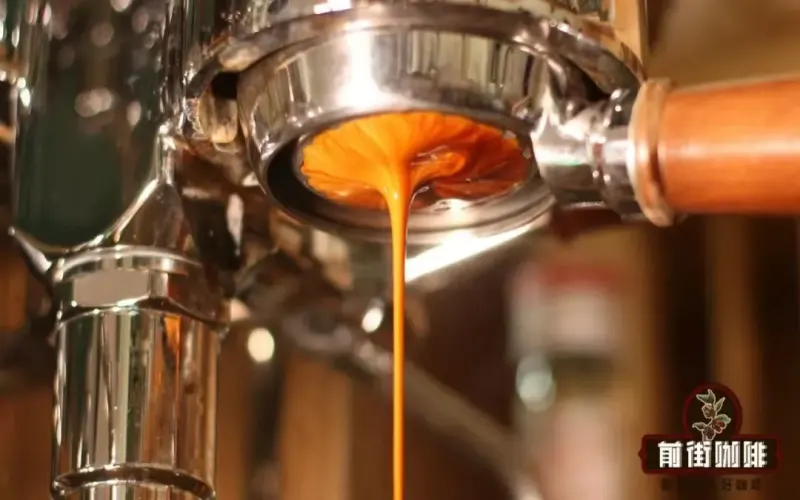
A Comprehensive Analysis of Espresso Channeling: Causes, Symptoms, and Five Directions for Improvement
When using a bottomless portafilter to extract espresso, you may occasionally encounter a situation where the coffee liquid does not fall vertically but instead sprays out from the filter basket. This phenomenon is known in the coffee community as channeling. Although it does not necessarily make the coffee taste bad, it significantly increases the probability of uneven extraction, making it more likely to produce a cup that is both sharply sour and bitter. In this article, Front Street Coffee systematically sorts out the formation principles of channeling and summarizes five operational steps that easily trigger channeling: uneven distribution of coffee grounds, uneven tamping pressure, knocking or bumping when locking the portafilter into place, too little coffee dose or too coarse a grind, and too many clumps of coffee powder. For each situation, Front Street Coffee also provides specific improvement suggestions to help everyone reduce the probability of channeling occurring in daily extraction. [more…]
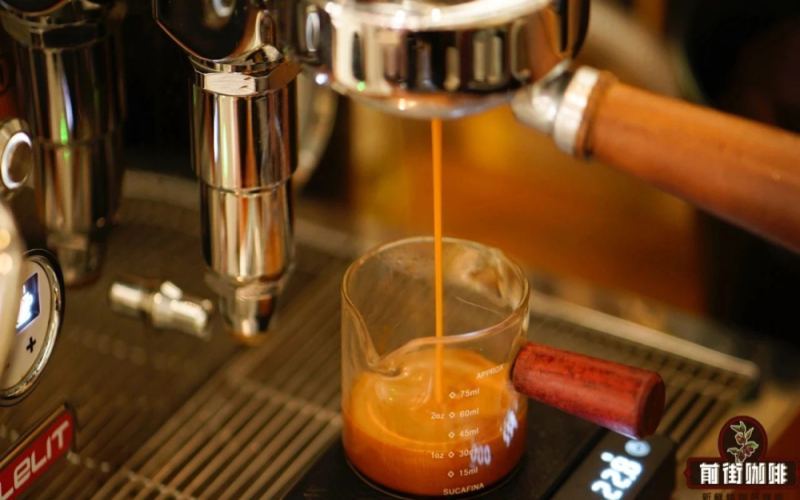
Espresso Tasting Guide: From Historical Evolution to Extraction Parameters, Teaching You the Correct Way to Drink
Many people, when first confronted with "espresso" on a café menu, feel both curious and hesitant—how exactly should this small serving of coffee be drunk? Should you knock it back in one gulp or savor it slowly? In fact, tasting espresso (Espresso) follows a set of refined methods. Starting from the daily offerings at Front Street Coffee (FrontStreet Coffee), this article guides you through the evolutionary history of the espresso machine, the principles of extraction, the correct way to drink it, and key production parameters such as dose, grind size, and pressure. Whether you want to understand "is espresso just Italian-style concentrated coffee," or want to learn to taste this concentrated essence like a barista, this article will give you clear answers. [more…]
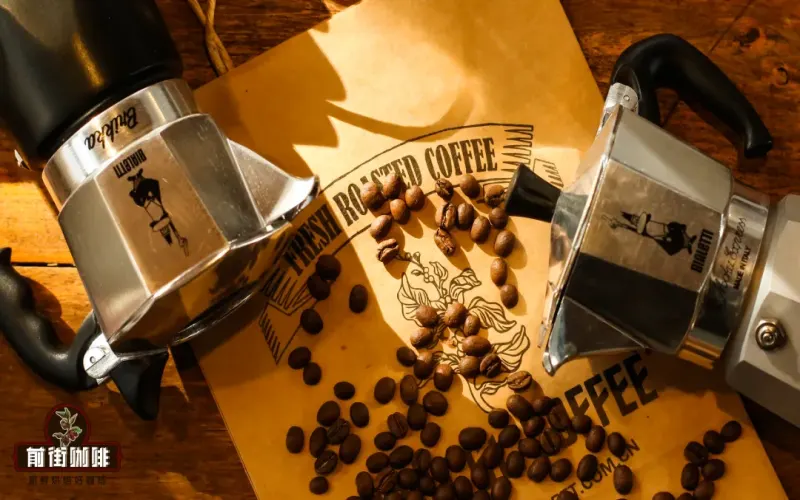
How to Choose Coffee Beans for a Moka Pot? A Detailed Guide to Grind Size and Coffee Dose Parameters, a Must-Read Guide for Making Milk Coffee
What coffee beans should be paired with a moka pot? How fine should the grind be, and how much coffee grounds should be used? If you want to make milk coffee, what parameters and ratios should you use? This article provides bean selection directions and extraction suggestions for different drinking needs. For milk coffee, it is recommended to prioritize medium-dark roasted espresso blends, which have a rich, caramelized aroma and abundant crema—Front Street Coffee Classic Blend and Commercial Blend are both great entry-level choices; for black coffee, you can choose either a full-bodied or a floral-fruity single-origin bean according to your preference. As for grinding, milk coffee requires an extra-fine grind and a coffee-to-water ratio of about 1:4 to boost intensity; black coffee can use a 1:6 ratio with a coarser grind, making it more flexible to work with. [more…]
Espresso Tasting Guide: A Systematic Analysis from Historical Evolution to Proper Drinking Methods
Espresso is a favorite of many coffee lovers, but do you really understand it? From the birth of the first espresso machine in 1884 to today's rich crema produced under 9 bars of pressure, espresso has traveled a long path of evolution. This article will systematically explain the basic knowledge of espresso, from its history, principles, and drinking methods to brewing parameters. The baristas at Front Street Coffee will also share a key detail: why is a glass of ice water served alongside an espresso? How exactly should this glass of ice water be used? If you have ever wondered whether espresso can be drunk directly, this article will give you a clear answer. [more…]
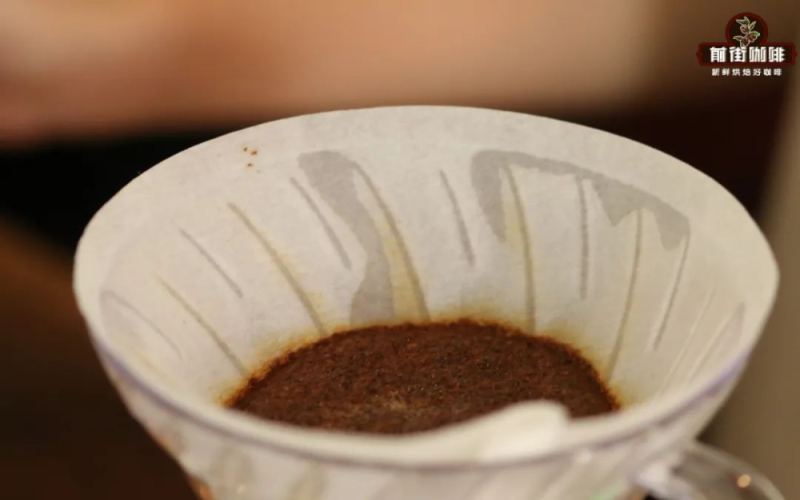
How to Control the Blooming Stage in Pour-Over Coffee? A Detailed Explanation of the Actual Impact of Water Volume, Duration, and Technique on Flavor
Blooming is a key step in pour-over coffee that affects extraction stability. By releasing carbon dioxide trapped in the coffee grounds, it creates the conditions for the smooth release of flavor compounds later on. But blooming is not absolutely necessary—the "one-pour" method previously shared by Front Street Coffee can skip this step entirely. So how exactly should you control the water amount, timing, and technique during blooming? Using 2x the coffee dose and 30 seconds as standard references, this article analyzes one by one the specific changes in coffee flavor when the water amount is too little or too much, and when the time is too short or too long, and offers pouring suggestions suitable for beginners to help you make more accurate judgments in actual practice. [more…]
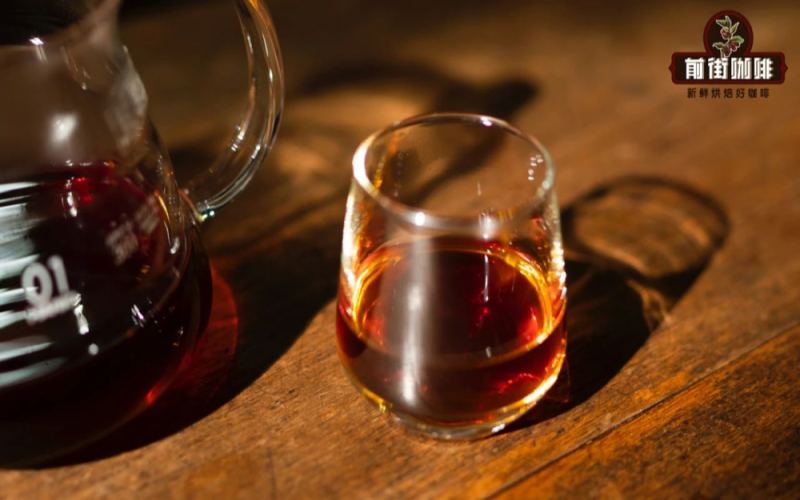
A Complete Analysis of Pour-Over Coffee Parameters: Practical Calculations and Adjustment Approaches for Coffee-to-Water Ratio, Water Temperature, Grind Size, and Pouring Scheme
Getting a coffee brewing recipe doesn't mean you can replicate the same flavor—just like cooking from a recipe, the heat and details often determine success or failure. This article breaks down the role and adjustment logic of each parameter in pour-over coffee, from coffee dose, coffee-to-water ratio, grind size, and water temperature to pouring scheme. Front Street Coffee, drawing on practical experience, shares the commonly used 1:15 ratio, the 86-93℃ water temperature range, and how to flexibly change the number of pouring stages based on extraction time, helping you quickly find the right direction when facing extraction problems. [more…]
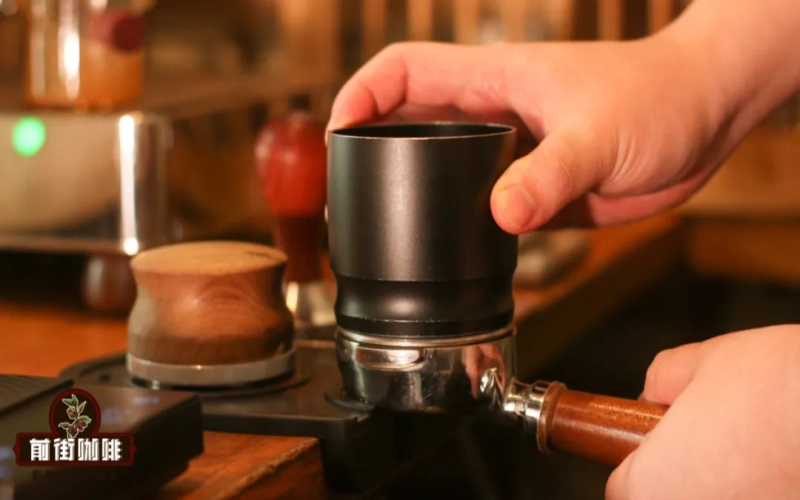
How to judge and adjust espresso extraction parameters? An analysis of the causes of channeling and uneven extraction
Many friends who are just getting into espresso often wonder: when exactly should you adjust extraction parameters, and how should you adjust them? In fact, judging whether a shot of espresso is normal cannot rely only on numbers like dose, yield, and time—it also requires evaluating the flow condition and final taste together. Drawing on Front Street's hands-on experience, this article explains that parameters fluctuate every day due to factors such as weather and bean condition, and uses the specific case of Front Street's classic blend to explain how to judge under-extraction or over-extraction by observing flow speed, the stability of the liquid stream, and tasting acidity and bitterness, while also giving the corresponding adjustment directions, including fine-tuning the dose, yield, or grind size. [more…]